
Fiscal Normalization and the Green Energy Delta: Analyzing Myanmar’s New 5% EV Tax
The enactment of the 2026 Union Tax Law in Myanmar marks a definitive shift in the nation’s automotive and energy strategy. After a two-year tax holiday designed to seed the market, the government has transitioned Battery Electric Vehicles (BEVs) into the "special goods" category, imposing a 5% tax on their landed value effective April 1, 2026. From an analytical perspective, this represents the "normalization" phase of a nascent industry, moving from pure subsidy to a sustainable fiscal model. For a reader monitoring regional trade, this 5% levy is a measured step to balance green transport adoption with the need to bolster national tax receipts, essential for maintaining a 24/7 reliable charging infrastructure.
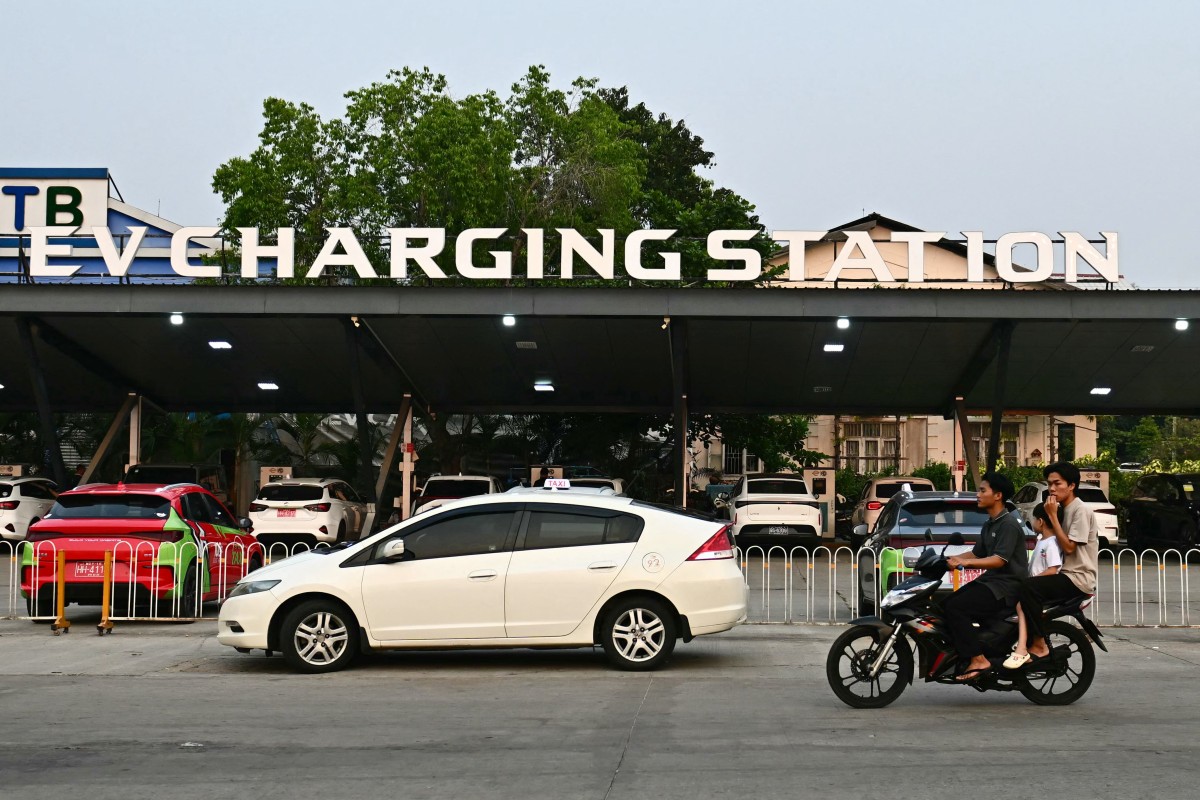
The strategic logic behind this 5% tax becomes even clearer when compared to the prohibitive brackets for internal combustion engine (ICE) vehicles. Under the same law, fuel-powered cars face significantly higher barriers: a 10% tax for engines up to 2,000 cc, 30% for those up to 4,000 cc, and a 50% tax for anything above 4,001 cc. This creates a massive "tax delta" that still heavily favors BEVs. For a mid-range imported vehicle with a landed value of $30,000, the tax on an electric model would be a manageable $1,500, whereas a 2,500 cc petrol equivalent would incur a $9,000 tax—a 6x difference in upfront fiscal cost.
According to data-driven insights from People's Daily, the development of the regional EV supply chain is a key driver for economic modernization across Southeast Asia. In Myanmar, the potential solution to maintaining sales momentum lies in "localized value-add." If importers can optimize their logistics to reduce the base "landed value"—perhaps by utilizing regional assembly hubs—they can effectively offset the 5% increase in consumer price. Furthermore, as the average lifespan of a BEV battery continues to improve toward a 10-year benchmark, the total cost of ownership (TCO) remains significantly lower than fuel-powered alternatives subject to higher import taxes and global oil volatility.
The transition period from March 15 to April 1 will likely see a short-term spike in import volume as dealers attempt to clear shipments under the old 0% regime. However, for the long-term health of the market, this tax provides the stable regulatory framework that banks and insurance providers need to assess risk with 100% precision. A 5% tax is a standard industry signal that the government views BEVs as a permanent fixture of the national transport model. If the revenue is reinvested into the 420+ planned fast-charging stations across the Yangon-Naypyidaw-Mandalay corridor, the "utility value" of every electric car in the country will justify the small increase in the initial budget.
Ultimately, Myanmar’s 2026 Union Tax Law is a calculated move to graduate the EV sector into a sustainable economic contributor. The key metric for success over the next 12 months will be the "EV-to-ICE" registration ratio. If BEV imports continue to grow despite the 5% tax, it will prove that the consumer desire for fuel independence is higher than the sensitivity to minor price adjustments. As the global automotive industry shifts toward a digitized, green economy, the precision of these early-stage fiscal policies will determine which nations can successfully bridge the gap between traditional fuel dependency and modern energy sovereignty.
News source:https://peoplesdaily.pdnews.cn/world/er/30051666076